
eAvio d.o.o. releases a must-have features checklist for flight school software targeting new Approved Training Organisations and Declared Training Organisations in EASA-regulated regions, emphasizing integrated safety management and operational checks to prevent unsafe dispatches at booking stage.
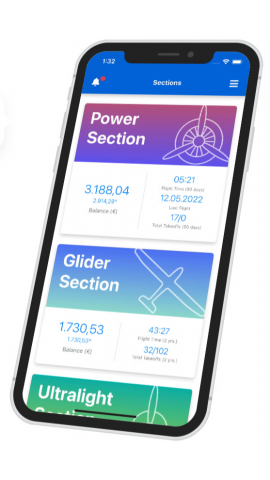
-- eAvio d.o.o. has published a must-have features checklist for flight school management software, designed for new Approved Training Organisations and Declared Training Organisations operating in EASA-regulated regions. Manual cross-referencing of maintenance status, instructor qualifications, and weather conditions before each dispatch creates operational risk and compliance gaps that leave training organisations vulnerable during audits. The nine integrated feature categories outlined in this resource prevent unsafe dispatches at the booking stage by embedding safety checks directly into the scheduling workflow, rather than flagging issues after reservations are confirmed.
More information is available at https://eavio.aero/
EASA Part-ORA requirements mandate that training organisations maintain a documented management system with a safety policy, compliance monitoring over at least 12 months, and evidence of an active reporting culture. Fragmented systems force staff to manually verify airworthiness, instructor currency, and meteorological conditions before every flight. Human error and time pressure, particularly during peak training periods, make these manual processes vulnerable. The checklist provides a practical response to these regulatory obligations by outlining how integrated platforms can unify scheduling, maintenance, and safety workflows within a single system, reducing the administrative burden and compliance risk that new operators face.
Industry evidence demonstrates the concrete value of integration: some operators using unified flight school management software have reported efficiency improvements of 30 to 50 percent and achieved zero-finding authority audits through automated documentation. Compliant Safety Management System programs reduce penalties by 20 percent, while FAA data shows that integrated systems cut audit time by 20 percent for small operators. These statistics illustrate why new training organisations should prioritize integrated platforms over siloed tools when evaluating vendors, particularly as they prepare for their first compliance audits.
The checklist enumerates nine feature categories: intelligent scheduling and dispatch, digital logbooks, fleet and maintenance management, billing and payments, compliance and documents, training and student progress, safety management, reporting and analytics, and mobile-first access. Integration means that safety checks-airworthiness status, qualification prerequisites, weather minimums, and duty-time limits-are embedded in the booking process rather than applied retrospectively. eAvio implements this through qualification-based access that restricts pilots to aircraft for which they hold valid licenses. Maintenance calendar blocking prevents reservation confirmation when an aircraft is flagged for service, and GPS-based auto-logging captures flight data in real time without manual entry.
The checklist requires ECCAIRS-compliant occurrence reporting capability, a regulatory necessity under Regulation (EU) No 376/2014. This regulation mandates that all organisations established in EU Member States, including flight schools and training organisations, establish a mandatory occurrence reporting system compatible with the European Coordination Centre for Accident and Incident Reporting Systems and the ADREP taxonomy. The eAvio platform supports this requirement, enabling incident tracking and root-cause analysis for compliance audits and the active reporting culture that Part-ORA demands.
New operators evaluating vendors should confirm whether unsafe dispatches can be blocked by the system at booking time or only flagged afterward. They should verify whether safety management, scheduling, maintenance, and training records are unified in a single platform, whether the system generates ECCAIRS-compliant reports and maintains audit-ready logs, and whether mobile applications and API integrations are available for weather services and accounting systems. The eAvio approach-auto-generating flight logs from GPS data, preventing double-bookings through logical conflict detection, and displaying next-service requirements at flight log entry-addresses these evaluation criteria. The company has refined this guidance based on operational deployment and feedback from operators including one of Slovenia's largest aviation clubs, which manages a diverse fleet of motorized aircraft, ultralights, and gliders using the platform.
The checklist is now available as a downloadable PDF, a risk-assessment questionnaire, and links to EASA Part-ORA compliance frameworks and ECCAIRS reporting standards. New training organisations in EASA-regulated zones are encouraged to review the checklist during vendor evaluation to ensure that scheduling, safety, and compliance functions are integrated rather than siloed, reducing the risk of operational failures and compliance gaps that manual processes create.
For more details, visit https://eavio.aero
Contact Info:
Name: Gregor Čepek
Email: Send Email
Organization: eAvio d.o.o.
Address: Jadranska cesta 28, Maribor, Maribor 2000, Slovenia
Website: https://eavio.aero
Source: NewsNetwork
Release ID: 89201727
Should you identify any discrepancies, concerns, or inaccuracies in the content provided in this press release or require assistance with a press release takedown, we strongly urge you to notify us promptly by contacting error@releasecontact.com (it is important to note that this email is the authorized channel for such matters, sending multiple emails to multiple addresses does not necessarily help expedite your request). Our responsive team is committed to addressing your concerns within 8 hours by taking necessary actions to resolve identified issues diligently or guiding you through the necessary steps for removal. Our dedication lies in providing accurate and reliable information.