RESTON, Va., Dec. 03, 2025 (GLOBE NEWSWIRE) -- Regula, a global developer of identity verification (IDV) solutions and forensic devices, has released an analysis of five major 2025 cyber incidents showing a clear shift: identity data — from ID photos and biometrics to login credentials — is becoming the main target for attackers. The cases — spanning biometric spoofing, document fraud, and deepfake impersonation — highlight how criminals now exploit verification gaps instead of breaching networks, forcing organizations to rethink how they authenticate users and secure digital access.
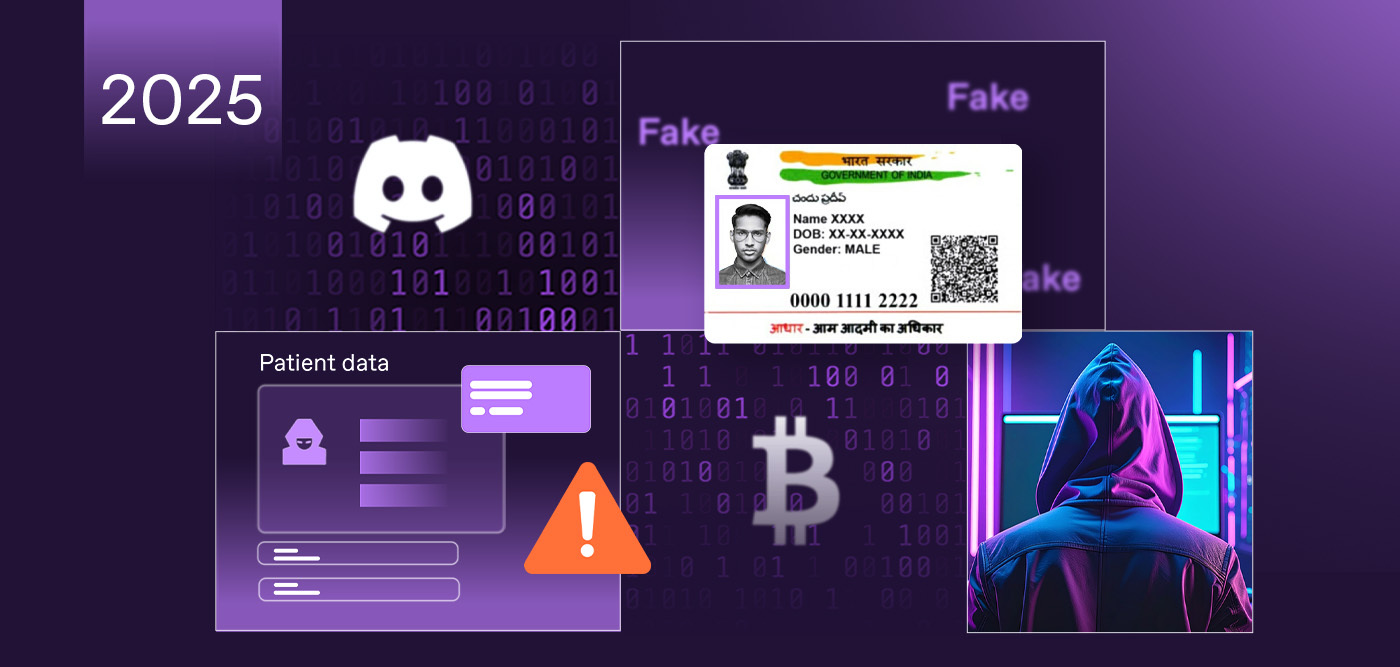
As criminals pivot from breaching systems to abusing weak verification steps, organizations must redesign how they validate users and secure every access point.
The most notorious incidents of 2025 reflect Regula’s latest global survey findings, which show that impersonation and AI-driven fraud are already hitting businesses as often as traditional schemes. According to this study, in 2025, one in three organizations across aviation, banking, fintech, crypto, healthcare, and telecom faced biometric fraud, identity spoofing, or deepfake-driven attacks — slightly surpassing the number of victims of conventional fraud.
2025’s identity incidents: A year of escalating threat
One of the most striking recent cases was the Discord age-verification breach, where attackers accessed tens of thousands of IDs and personal records through a compromised third-party provider. The incident highlighted a rapidly growing risk across digital platforms: services that collect unencrypted identity data for compliance checks are becoming high-value targets for cybercriminals.
Other notable incidents reveal how broad and multifaceted identity abuse has become in 2025:
- Insider-enabled identity theft at Coinbase demonstrated how a customer support contractor abused privileged access to steal personal data and IDs at scale.
- A biometric forgery ring in India manipulated the Aadhaar national ID system using spoofed fingerprints, cloned credentials, and tampered scanners to impersonate legitimate citizens and illegally access government benefits, SIM registrations, and financial services.
- The US Medicare hijacking scheme showed how stolen static identifiers can be used to create over 100,000 fraudulent beneficiary accounts in order to submit false medical claims and divert millions in government health payments.
- A deepfake CEO scam in Singapore nearly led to a multimillion-dollar fraudulent transfer after criminals impersonated executives during a live video call.
Together, these incidents show how identity exploitation has expanded from isolated fraud attempts to an ecosystem of attacks targeting data, documents, biometrics, and even real-time communications.
How businesses can stay ahead of identity-centered cybercrime
Regula recommends organizations to move from reactive defenses to a proactive, agile approach to identity security. To stay ahead of increasingly sophisticated impersonation attacks, businesses must:
- Strengthen identity verification workflows with multi-layered checks with a strong focus on biometrics, advanced document authentication, and liveness detection. For high-risk scenarios, it is advised to add extra steps like signal integrity or geolocation verification to reduce false acceptance.
- Minimize exposure to third-party data breaches by deploying sensitive identity workflows on-premises or in a private, controlled cloud environment.
- Enhance identity and access management controls, including more robust onboarding verification for employees and contractors who handle sensitive data.
- Train employees to recognize identity fraud and social-engineering tactics, especially when requests involve credential access, ID sharing, or financial transactions.
“The events of 2025 make one thing clear: identity has become the key new cybersecurity perimeter. Criminals no longer break into systems — they break into people, using biometrics, deepfakes, and stolen credentials as their entry point. As AI-driven fraud grows, the winners will be the organizations that build identity verification systems as resilient, multi-layered defenses, combining biometrics, robust document verification, liveness detection, and strong access controls,” says Henry Patishman, Executive Vice President of Identity Verification Solutions at Regula.
To learn more about the 2025 incidents that reshape the cybersecurity threat landscape, please read the article on the Regula Blog.
About Regula
Regula is a global developer of forensic devices and identity verification solutions. With our 30+ years of experience in forensic research and the most comprehensive library of document templates in the world, we create breakthrough technologies for document and biometric verification. Our hardware and software solutions allow over 1,000 organizations and 80 border control authorities globally to provide top-notch client service without compromising safety, security, or speed. Regula has been recognized in the 2025 Gartner® Magic Quadrant™ for Identity Verification.
Learn more at www.regulaforensics.com.
A photo accompanying this announcement is available at https://www.globenewswire.com/NewsRoom/AttachmentNg/4a1822ff-4823-4539-8b12-575cb4a10feb

Contact:
Kristina – ks@regula.us