
(BPT) - For many veterans with disabilities, service to the nation does not end when active duty ends. It continues through civilian roles that support federal missions, strengthen domestic production and contribute to military readiness.
The transition from military service to civilian employment can be challenging, as veterans often leave structured environments and must adjust to new workplaces while seeking meaningful, stable careers. Veterans with service-related disabilities often face additional barriers to employment. They also make up a growing share of today's veterans: Per the Bureau of Labor Statistics, about 34% had service-related disabilities in 2025, compared with 20% in 2015. For many of these veterans, employment plays a central role in successful reintegration and long-term well-being.
Through the AbilityOne® Program and SourceAmerica's nationwide network, veterans with disabilities gain access to employment opportunities that connect their skills and experience to government needs. More than 300 nonprofit agencies in the network employ more than 37,400 people with disabilities across the country, including more than 2,700 veterans with disabilities.
These jobs enable veterans to continue contributing to the nation in ways that reflect the discipline, training and mission focus developed during military service while supporting economic independence and stability.
For veterans with disabilities, AbilityOne contracts create pathways into roles that mirror the purpose-driven nature of military service. These positions support federal agencies and military installations through domestic manufacturing, IT services, logistics, facilities support and other essential services.
Phoenix is one such nonprofit that offers veterans and other individuals with disabilities the opportunity to support federal agencies and mission-critical operations. Phoenix employees manufacture products that support the U.S. military, including aircraft safety belts, single-point release harnesses, fire blankets and burial flags.
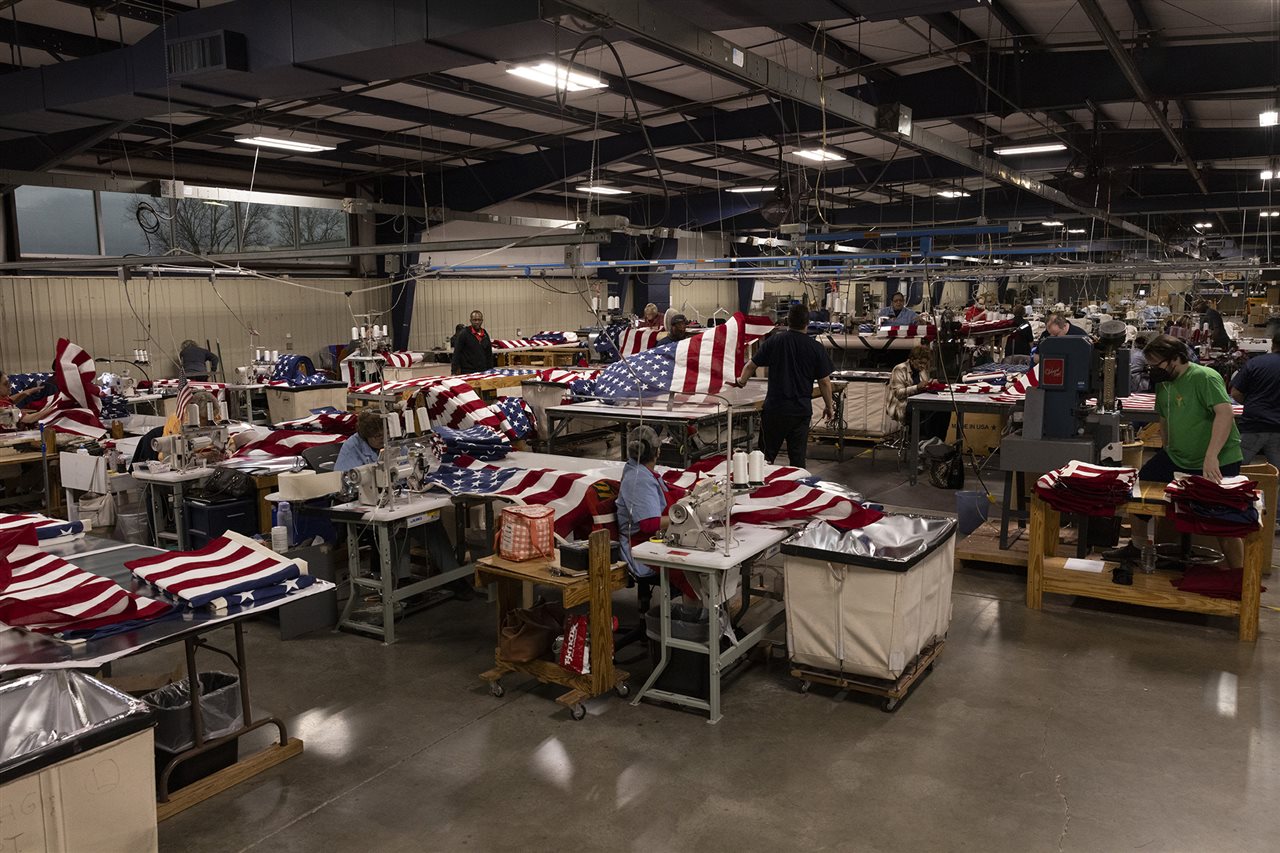 Employees with disabilities at Phoenix manufacture American flags for Veterans Affairs
As workforce shortages persist nationwide, individuals with disabilities, including veterans, remain an underutilized part of the labor force. The unemployment rate for people with disabilities is more than twice that of people without disabilities, according to the Bureau of Labor Statistics. Expanding employment pathways for veterans with disabilities can help address workforce gaps while strengthening capacity across sectors.
Veterans bring teamwork, leadership, technical training, reliability and mission-focused problem-solving to civilian roles. Through the expansion of new technologies, workplace accommodations and flexible job design, veterans with disabilities excel in modern workplaces.
Andres Rugerio is one example of the work ethic, leadership and technical expertise that veterans bring to the job market. A veteran with a service-related disability, he serves as a Tier 2 help desk analyst with InspiriTec, a nonprofit in SourceAmerica's network. After serving 25 years in the U.S. Army, he transitioned into civilian employment through the AbilityOne Program. Today, he supports the Defense Manpower Data Center Support Center at Fort Knox, where he helps manage technical operations for more than 2.8 million members of the military community.
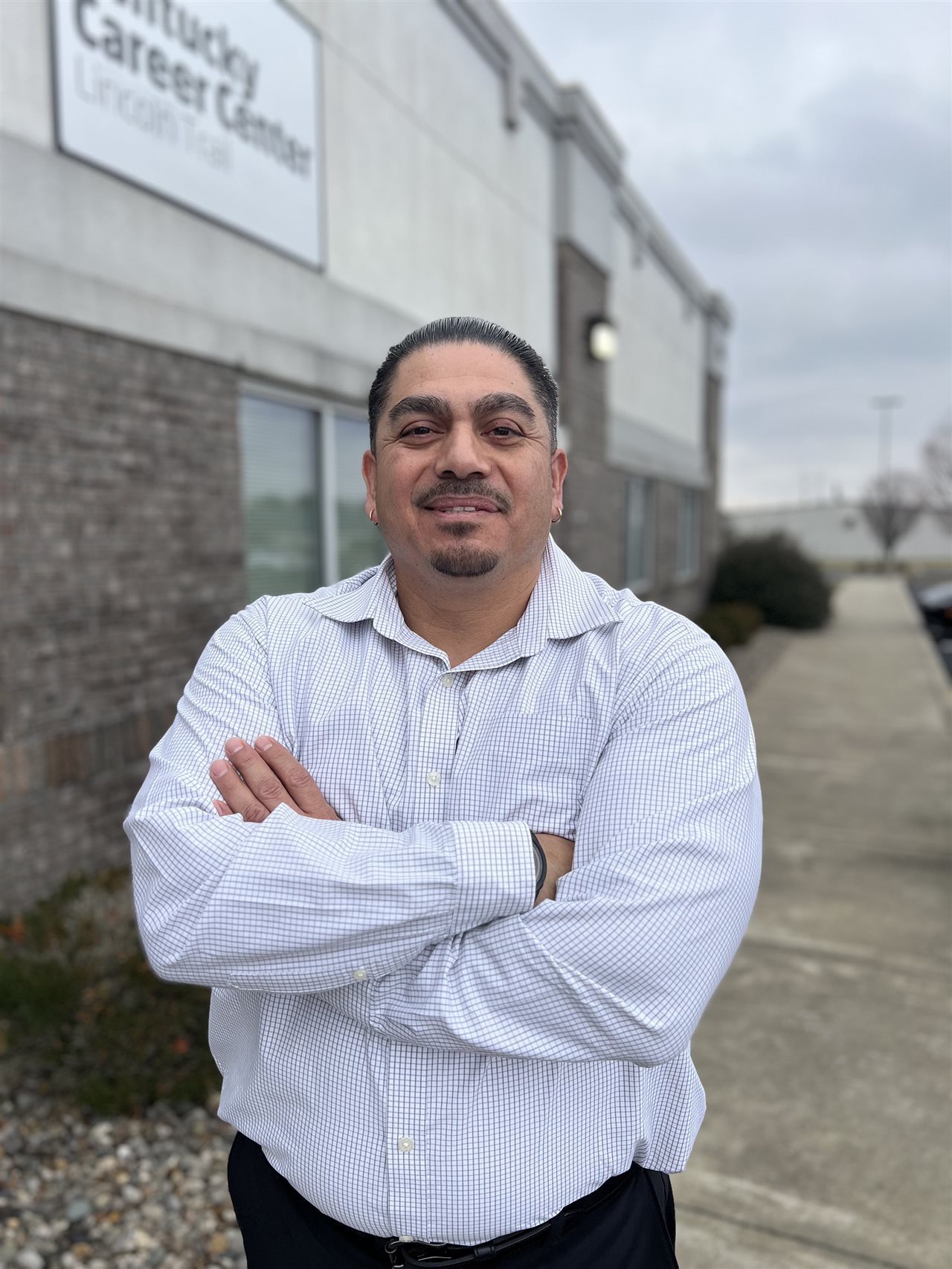 Veteran Andres Rugerio, Tier 2 help desk analyst at InspiriTec, now supports U.S. military bases through technical operations
Veteran employment, domestic manufacturing and workforce development are closely linked. Strengthening employment pathways for veterans with disabilities supports broader goals related to economic resilience, supply chain stability and federal mission readiness.
The AbilityOne Program contributes directly to these priorities. According to current data, 89% of Procurement List items from SourceAmerica's network are wholly made in America, and 96% are either made in America or compliant with Buy American Act or the Trade Agreements Act. The Program also generates an estimated $2.66 in return for every $1 spent on administration and reduces federal benefit program costs by approximately $191 million annually. Through federal procurement, AbilityOne provides an established mechanism for connecting workforce needs with capable workers, including veterans with disabilities, while supporting domestic production and federal operational requirements.
For many veterans with disabilities, service continues long after active duty ends. Through employment in SourceAmerica's network, they contribute to the production of goods and services that support federal agencies, strengthen communities and reinforce national preparedness. America is strongest when those who have served are able to continue contributing their skills and experience in meaningful ways.
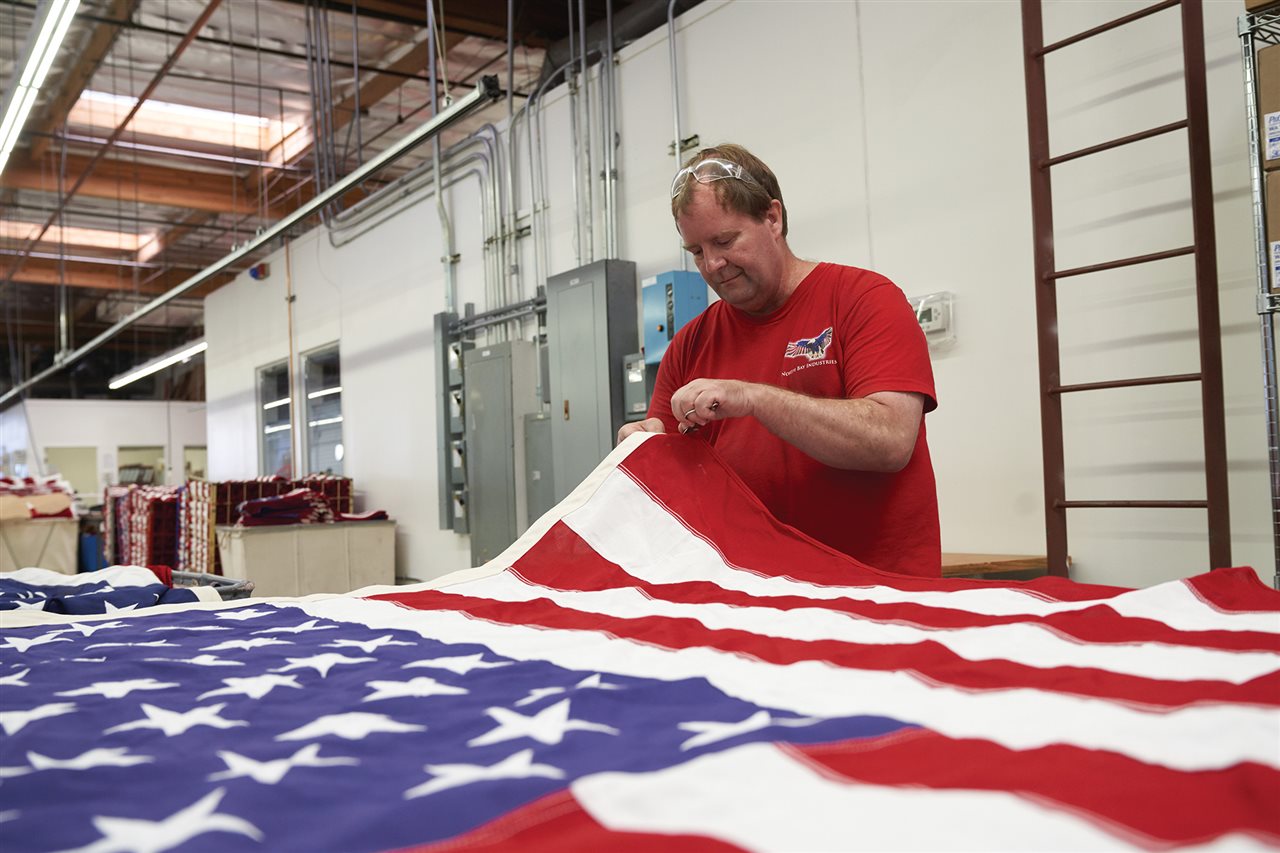 North Bay Industries employee Chris Huntley manufactures fully Made in America flags for Veterans Affairs
Learn more about the difference veterans with disabilities are making at https://AmericaIsMadeHere.org.
The mention of the U.S. Government in this article does not imply endorsement by the government of the product or service provided by the nonprofit agency to the government.