
Introduction
Choosing the right recumbent exercise bike should lift a weight from your shoulders. It should make movement easier, kinder, and more joyful. I am with you. I have tested bikes, talked to therapists, and listened to real users. That mix gives clear, gentle advice you can trust.
This guide gives simple steps that work. First, it helps you fit the seat and support your back. Next, it shows which resistance and console suit your life. We cover budgets, space, and the best picks for seniors or rehab. Every tip aims to save time and avoid regret. You will find quick answers and small tests to try at home.
Use the fit tool to check your inseam. Read the short model lists to see what matters most. If you need more help, Hamilton Home Fitness will tailor a short list for your height, budget, and goals. Buy with calm, not haste. A good recumbent bike can move your body and ease your mind. Let this guide be the steady hand that helps you choose well. We write with care and science, and we stand beside you at every step of the buying journey. Start with curiosity and your true needs today.
Recumbent Bike Buying Essentials
Choosing a bike starts with plain needs. Think about fit, noise, and how you will use it. This short guide helps you sort the clutter. It points you to the parts that matter most.
What is a recumbent bike?
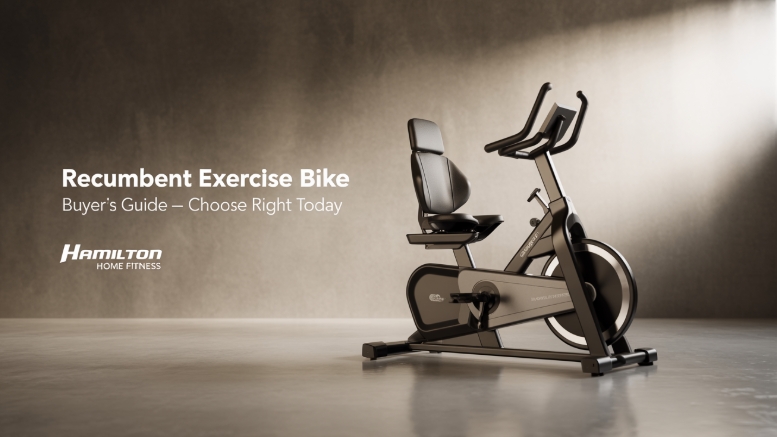
A recumbent bike has a laid-back seat and forward pedals. The backrest supports your spine. This posture is kinder to knees and lower back. It is easier to mount than an upright bike. Use it for steady cardio, rehab, or long, calm sessions.
Key buying features to check
Check seat fit first. Measure your inseam. The seat must slide far enough for a slight knee bend at full pedal. Look for strong lumbar support and a wide cushion. Choose magnetic resistance for a quiet home. Check weight capacity and frame build for your body and use. For training, prefer a console that shows watts and pairs with apps.
Price, warranty, and where to buy
Set a budget and match it to use. Budget bikes fit light home use. Mid-range models give quiet rides and better parts. Commercial models suit gyms and heavy users. Seek at least five-year frame coverage and one-year electronics warranty. Buy from trusted dealers who offer delivery and set-up. Hamilton Home Fitness can vet models and ship or help you try a bike before you buy.
Start with fit. Then pick resistance and console. That order keeps comfort first and value clear.
Seniors, Rehab & Back Support
Recumbent bikes shine for anyone who needs gentle, steady movement. They place you in a supported seat. That lowers strain on knees and the low back. For seniors and rehab patients, that support can mean the difference between exercise that helps and exercise that hurts.
Why seniors benefit from recumbent bikes
Seniors get safe cardio with low joint stress. The wide seat and backrest make mounting easier. That reduces fall risk and encourages regular use. Regular, short sessions build stamina, balance, and mood without harsh impact.
Recumbent bike for back pain
A recumbent bike eases spinal load by keeping the torso supported. Look for models with real lumbar support and a seat that adjusts far back. Start with low resistance and longer, gentle sessions. If pain flares, stop and consult your clinician.
Clinician tips and safety considerations
Physical therapists recommend slow progress and clear goals. Check heart-rate response and perceived effort. Use straps or non-slip pedals if balance is a worry. For recent surgery or complex conditions, get written clearance. Trial the bike for ten minutes to test comfort before you buy.
This section is about dignity and steady progress. Pick a bike that fits your body first. The right fit, a safe plan, and small wins will keep you moving and feeling stronger.
Features, Resistance & Consoles
The right features shape your ride. They decide how the bike feels, how loud it is, and how useful the data is. Focus on three things: resistance, console, and fit. These control comfort, training value, and day-to-day peace in your home.
Resistance types explained
Resistance changes how hard pedaling feels. Magnetic resistance is quiet and smooth. It needs little care and suits apartments. Friction resistance costs less but is louder and needs pad changes. Fan (air) resistance gives natural, growing force the faster you pedal. It is loud but loved by athletes for interval work. Pick magnetic for quiet home use, fan for intense training, and friction only if price is the main limit.
Console, heart rate & app features
A good console tells you the story of each ride. Look for watts, cadence, and heart rate. Bluetooth or ANT+ lets you pair a chest strap or phone. Ergometer modes give accurate power numbers for true training. Seniors and rehab users need big fonts and simple menus. If you want structured plans, choose a console that links to training apps and saves workouts.
Seat, lumbar support, and fit
Seat comfort is not optional. A wide, well-cushioned seat with real lumbar support makes long sessions possible. Ensure the seat slides far enough for a slight knee bend at full pedal. Look for replaceable cushions and clear adjusters. Test the seat for at least ten minutes before buying. Comfort wins. Comfort keeps you coming back.
Top Models, Tiers & Selection
Choosing the right model is about fit, use, and peace of mind. Think in tiers: budget, mid-range, and premium. Match your choice to how often you ride and who uses the bike. Hamilton Home Fitness helps you pick a tier that fits your life and budget.
Best bikes by budget tier
Budget bikes work for light, occasional use. They meet basic cardio needs. Expect simpler consoles and friction or basic magnetic resistance. Mid-range bikes give quieter magnetic resistance, firmer frames, and better warranties. Premium and commercial models offer heavy frames, true power meters, and long warranties. If you ride several times a week, mid-range is the best value.
Best recumbents for seniors & back
For seniors and people with back pain, choose models with wide seats and true lumbar support. Low step-through frames and easy seat adjustment matter most. Simpler consoles with large text help users focus on the workout. Hamilton Home Fitness tests comfort over long sessions and highlights models with clinical praise.
Compact, folding & commercial options
Short on space? Pick a narrow footprint or folding model with transport wheels. Test the seat to make sure comfort is not traded for size. For gyms, choose commercial duty cycles, replaceable parts, and a clear service plan. Consider total cost of ownership: buy price, parts, and hours of use. That will save money and headaches.
If you want, Hamilton Home Fitness will give a short list of top picks by tier and use. Tell us your height, weekly hours, and budget to get a tailored shortlist.
Final Thought
Choose the bike that cares for your body first. Fit and comfort matter more than flashy features. A good seat and true lumbar support keep you riding longer. Quiet magnetic resistance and a clear console make daily use easier. Match the bike to your weekly hours and your goals.
Trust small tests. Try the seat for ten minutes. Check the knee bend and the back support. Ask a clinician if you have pain or recent surgery. For gyms, weigh duty cycle and service plans. For homes, value and quiet matter most.
Hamilton Home Fitness stands with you. We test gear, talk to therapists, and listen to real users. If you want a short list of recumbent bikes that fit your body and budget, tell us your height, weekly use, and priorities. We will reply with a calm, clear shortlist so you can buy with confidence and keep moving joyfully.
Media Contact
Company Name: Hamilton Home Fitness
Email: Send Email
Country: United States
Website: https://www.hamiltonhomefitness.com